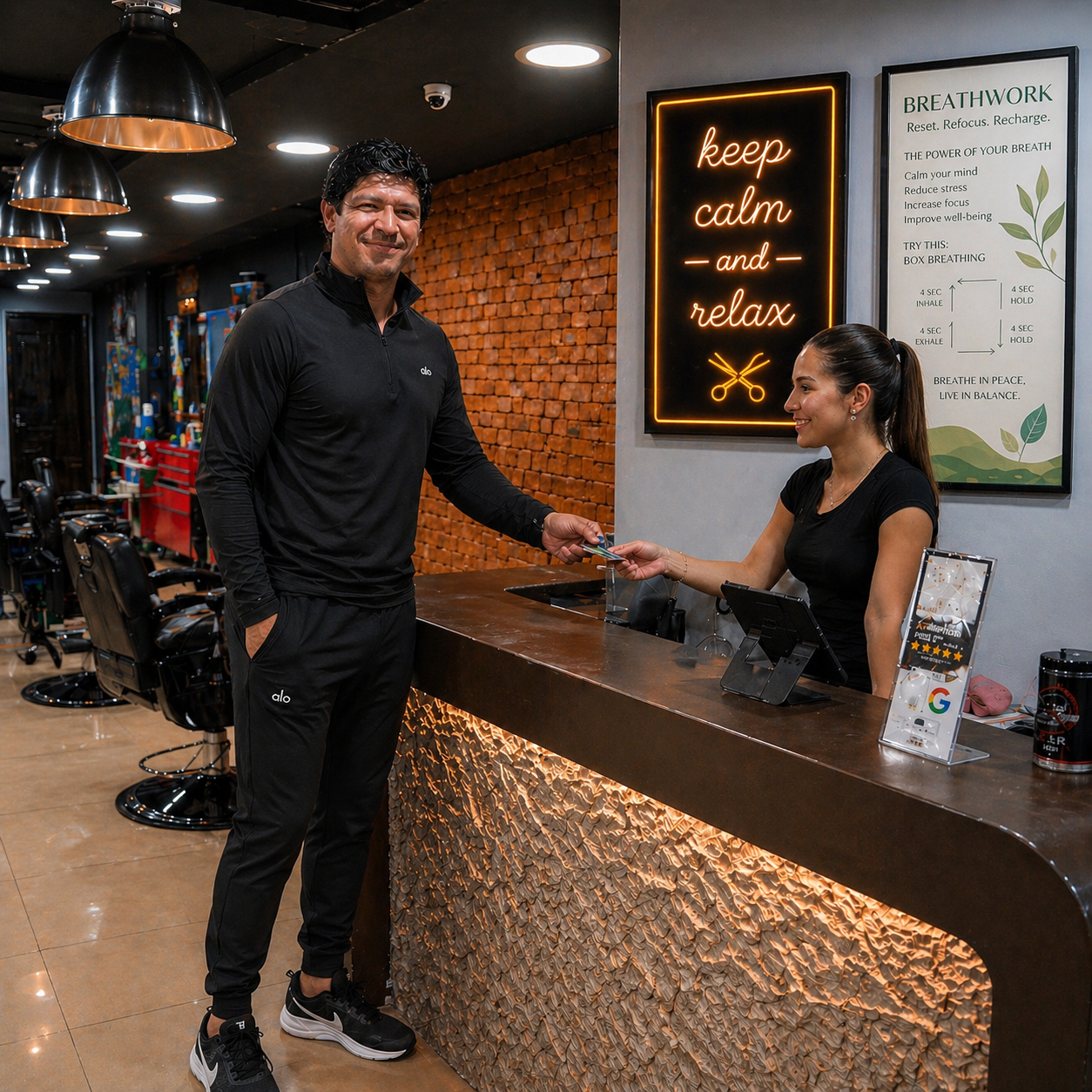

For more than twelve years, Sportskut had been doing what many service businesses work hard to achieve.
It had customers.
It had demand.
It had multiple locations.
It had people walking through the door.
From the outside, it looked like a barbershop with momentum.
But inside the business, something else was happening.
The work was getting done, but not always the same way. The customer experience depended too much on who was working that day. The service menu had grown, but the structure behind it had not grown with it. Pricing was clustered closely together, even when the complexity of the services was different. Some protocols existed, but they were not consistently enforced. Data was present, but it was not being converted into decision intelligence.
Sportskut did not have a demand problem.
It had a structure problem.
And that distinction changed everything.
The Hidden Problem Behind a Busy Service Business
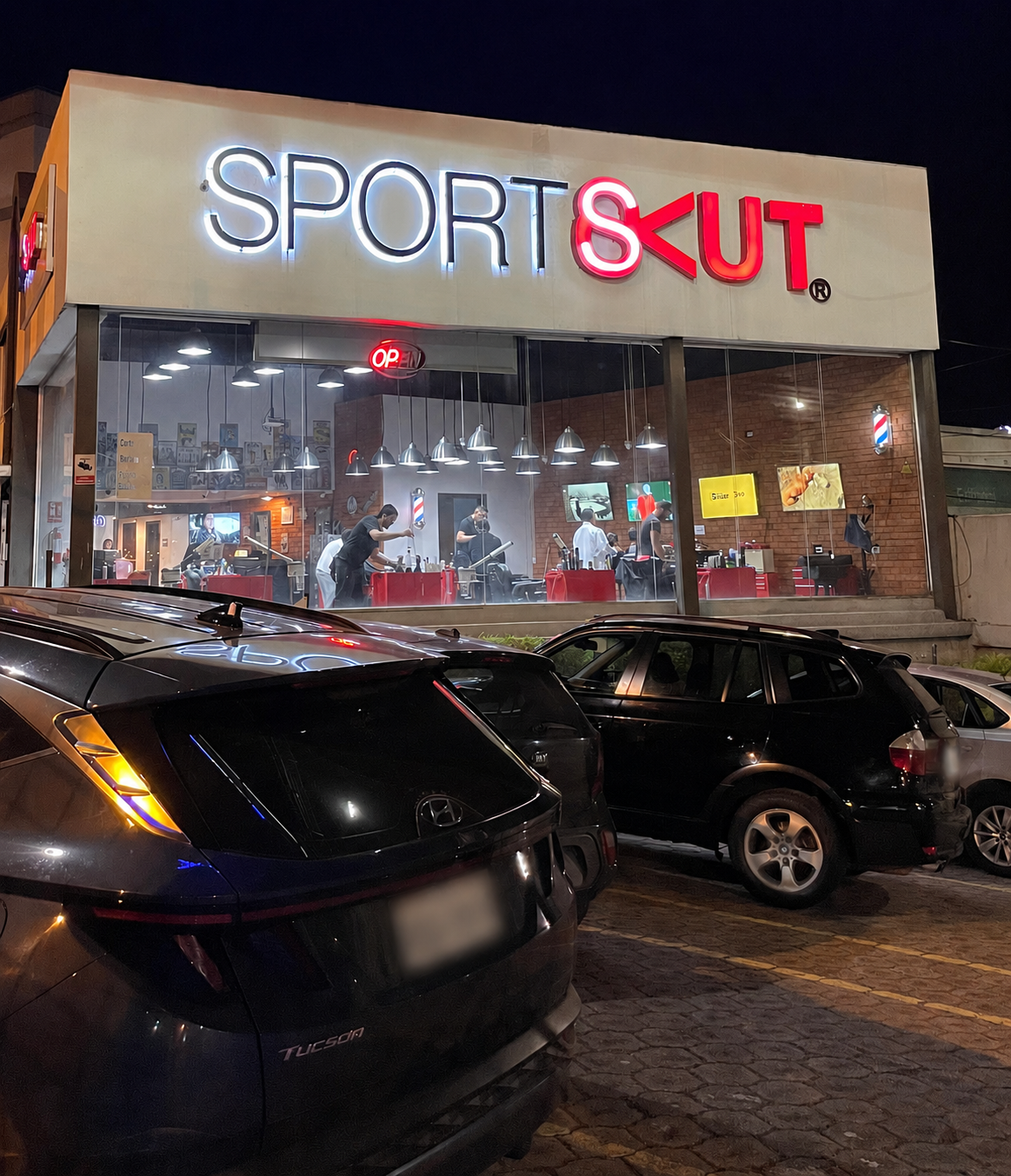
At first glance, Sportskut could have been described simply as a barbershop.
But that description was part of the problem.
The business was already operating like a system, but it was still being perceived, managed, and communicated like a shop. That created a form of identity compression: the value of the business was larger than the way it was being understood.
The team was not just cutting hair. They were managing customer flow, hygiene, service timing, personal interaction, physical space, tools, expectations, and repeat visits.
But because those elements were not clearly defined as part of a larger operating system, each person interpreted the work differently.
One barber might prioritize speed.
Another might prioritize experience.
Another might follow a cleaning habit from memory.
Another might improvise the customer interaction.
None of this meant the business was broken.
It meant the business had outgrown its informal operating logic.
Sportskut had demand, locations, and experience. What it needed was a way to turn what already existed into something repeatable, trainable, measurable, and scalable.
The Moment of Clarity
The key insight was simple:
Sportskut was already a system — just not a defined one.
That realization reframed the entire project.
The goal was not to “improve a barbershop.”
The goal was to extract the hidden system inside the business and engineer it into a repeatable service model.
That meant looking beyond the haircut itself.
The real business was the full customer journey: how someone enters, how they are greeted, how the chair is prepared, how the service is performed, how the space feels, how hygiene is controlled, how expectations are managed, how the customer exits, and how the business learns from every interaction.
Once this became visible, the work shifted from isolated fixes to system design.
From Shop Logic to System Logic
The first transformation was identity.
Sportskut had to stop seeing itself only as a barbershop and begin operating as a repeatable experience system.
That shift created a new standard for every part of the business.
The service flow was mapped into clear stages:
Entry. Prep. Execution. Experience. Finish. Exit.
Each stage became part of the customer journey. Each stage had to be defined, trained, observed, and improved.
The physical space was also reorganized through operational logic. Instead of treating the location as a generic shop layout, the space was understood in zones:
Exterior. Customer Experience. Operations.
This made the environment part of execution control. The business was no longer relying only on people remembering what to do. The space itself began supporting the behavior the business wanted to create.
Building Roles, Not Just Jobs
One of the most important parts of the transformation was the role system.
In many service businesses, people are hired into tasks. They perform the work, but they do not always see a clear path for growth. That creates inconsistency, dependency, and eventually turnover.
Sportskut needed something stronger.
A structured career pathway was created, including roles such as
Well-being Ambassador .Sanitation Specialist . Aprentice Barber. Master Barber. Operative Lead.
This gave the business a way to train people progressively instead of expecting everyone to understand the whole system at once.
Promotion was no longer based only on time or personal preference. It became connected to capability, hours, and demonstrated readiness. The case reference included an example of 1,500 hours required for progression.
That changed the meaning of work inside the business.
A team member was no longer just “helping out” or “cutting hair.” They were moving through a defined operating pathway inside a service system.
Making Hygiene and Behavior Visible
The next layer was control.
In a grooming business, hygiene is not a back-office detail. It is part of the value proposition. It affects trust, professionalism, safety, customer confidence, and operational consistency.
Sportskut’s system included documented protocols for tool sterilization, infection control, chemical handling, cleaning procedures, and emergency scenarios.
This turned hygiene from a personal habit into a trainable operating standard.
Environmental behavior was also made visible. Restroom etiquette, cleaning frequency, and customer interaction rules were no longer left to interpretation.
That mattered because inconsistency often hides inside the small details.
A dirty restroom.
A rushed greeting.
A tool not returned to the right place.
A customer interaction that feels different from one visit to the next.
Individually, these moments seem small.
Together, they define the customer’s trust in the brand.
Sportskut’s transformation required those moments to become visible, documented, and enforceable.
From Memory-Based Operations to System-Based Execution
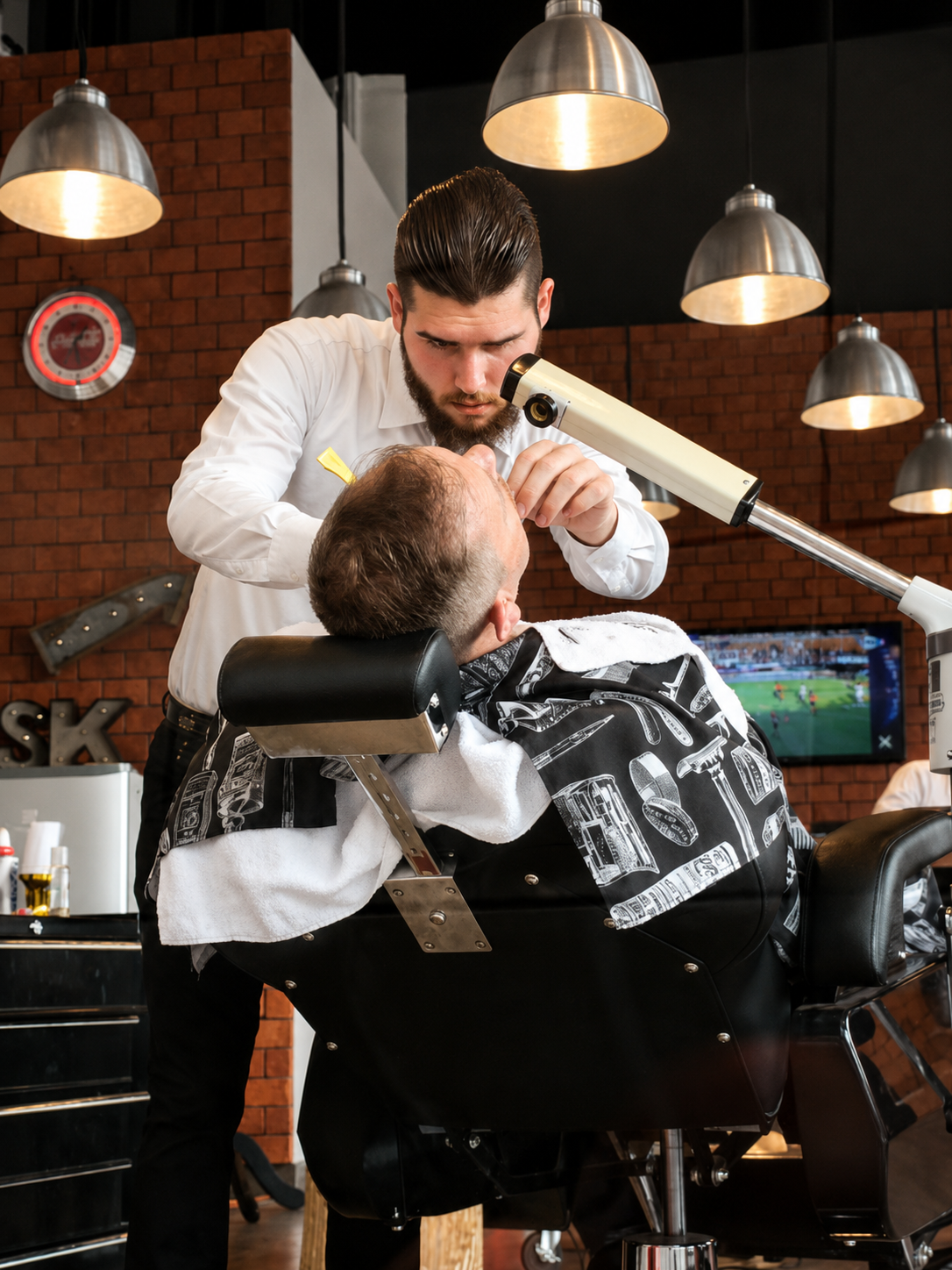
Before the transformation, much of the business depended on memory.
People knew what to do because they had done it before. But memory does not scale well. It changes from person to person, location to location, and day to day.
The new system replaced informal interpretation with structured execution.
Greeting protocols were defined.
Cleaning protocols were broken into steps.
Zones had specific responsibilities.
Roles had clearer expectations.
Feedback loops were installed.
Operational awareness became part of management.
The business moved from reactive decisions to controlled operations.
Problems that were previously invisible could now become measurable signals.
This is the difference between a business that survives because people work hard and a business that scales because the system supports the work.
Calibration: Keeping the System Alive
A system is not finished when it is documented.
It has to be maintained.
That is where calibration became essential.
Sportskut needed mechanisms for drift detection, performance correction, and norm enforcement. Without those controls, even the best SOPs eventually become documents people stop following.
Calibration gave the business a way to keep the system alive.
It also created room for optimization. Once the basics were defined and stabilized, the business could improve with more confidence. Identity, platform communication, customer feedback, and operational performance could all be refined over time.
The result was not just a cleaner operation.
It was a business with a stronger foundation for growth.
What Sportskut Became
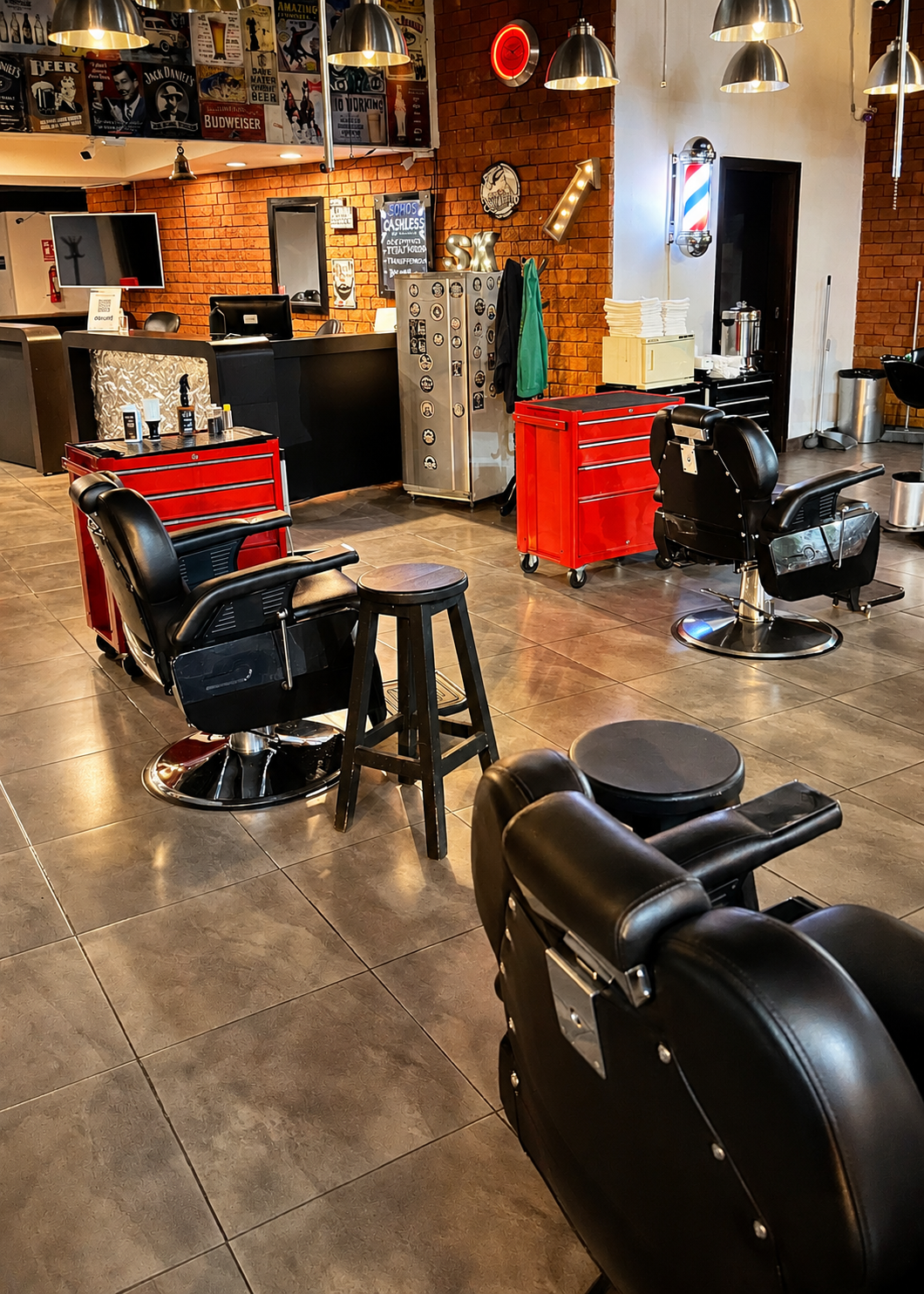
Sportskut became more than a barbershop.
It became a replicable service system.
That shift unlocked several capabilities:
Multi-location scalability.
Standardized training.
A more predictable customer experience.
Lower dependency on individual performers.
A stronger structure for future expansion.
The business was no longer defined only by its services. It was defined by the system behind those services.
That is the deeper lesson of the case.
Most service businesses do not lack demand. They lack structure.
They may have customers, talent, and reputation, but without a repeatable operating system, growth often amplifies inconsistency. More clients create more pressure. More locations create more variability. More team members create more interpretation.
Sportskut showed a different path.
Instead of adding more activity, the business redesigned the way work happened.
Instead of relying on individual memory, it built shared standards.
Instead of treating the customer experience as something subjective, it turned the experience into a sequence that could be trained and improved.
Instead of operating like a shop, it became a system.
The Transferable Lesson
This case is not only about barbershops.
It is about what happens when a service business becomes clear enough to scale.
The Infinite Solutions pattern in this case followed a simple sequence:
First, reveal the hidden reality.
Then, design the operating structure.
Then, activate the system through roles, workflows, and feedback.
Then, calibrate performance so the system keeps improving.
That pattern can apply far beyond grooming.
Any service business that depends on people, experience, trust, and repeat execution eventually reaches the same question:
Are we growing through effort, or are we growing through structure?
Sportskut’s answer became clear.
The business did not need to become something else.
It needed to become more fully itself: defined, disciplined, repeatable, and ready to scale.