
Some companies grow because they sell more.
Others grow because the market finally understands what they actually are.
PowerCem belongs in the second category.
At first glance, the company appeared to be operating in a familiar space: soil stabilization, infrastructure support, remote construction, and technical field execution.
The offering could easily be misunderstood as a material input , something added to soil to improve performance.
But that was never the full story.
PowerCem was not simply helping clients stabilize ground. It was helping them rethink how infrastructure could be built in places where traditional construction models become expensive, slow, risky, and logistically fragile.
That difference became clear in one of the most difficult environments imaginable: the Amazon.
The Challenge:
Building Where Traditional Logistics Break Down
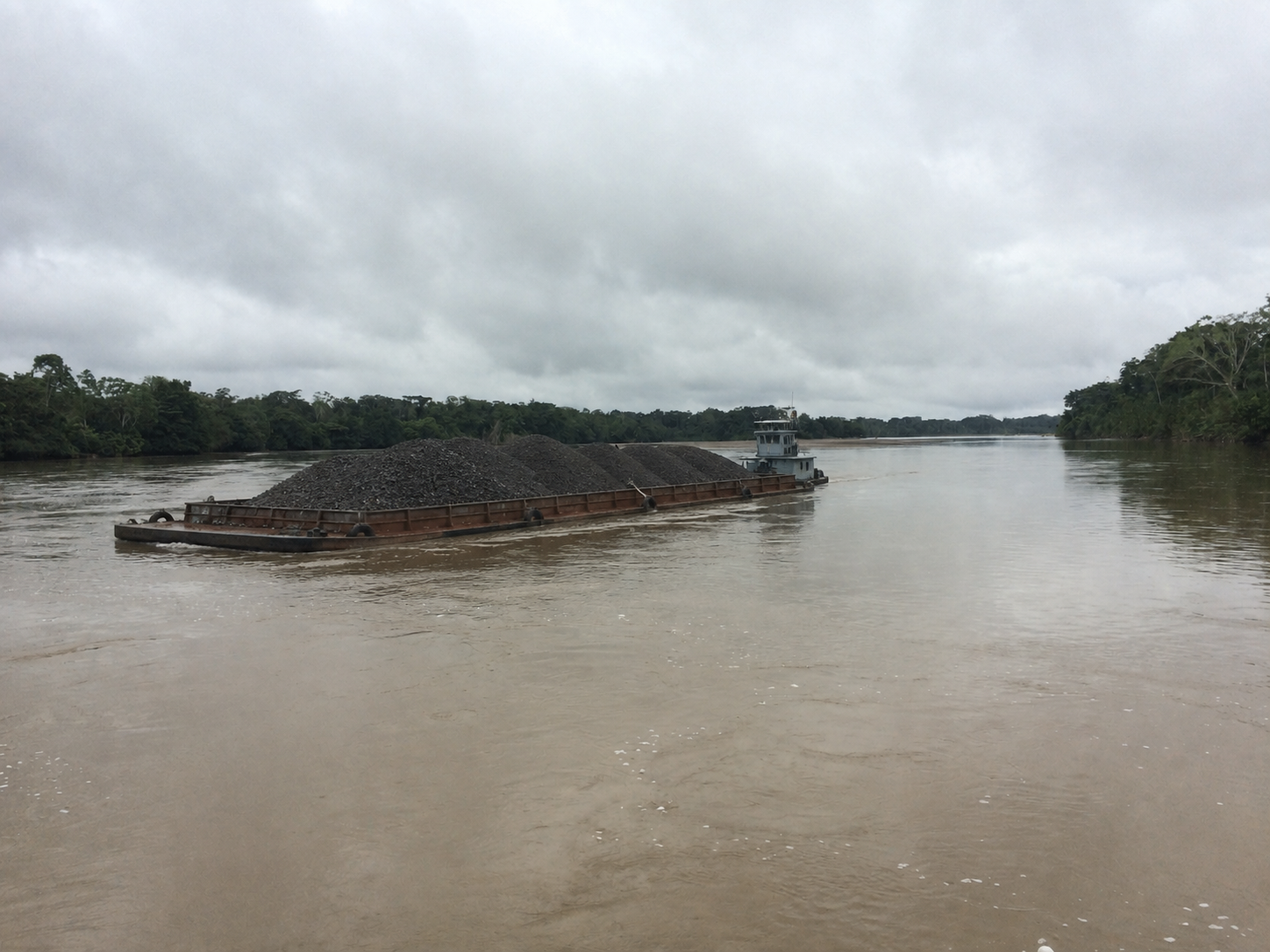
Remote infrastructure projects are not difficult only because of engineering requirements. They are difficult because every decision carries a logistics burden.
Materials must be moved. Equipment must arrive. Weather must be managed. Delays compound quickly. Rework becomes expensive. Every extra shipment adds cost, risk, and complexity.
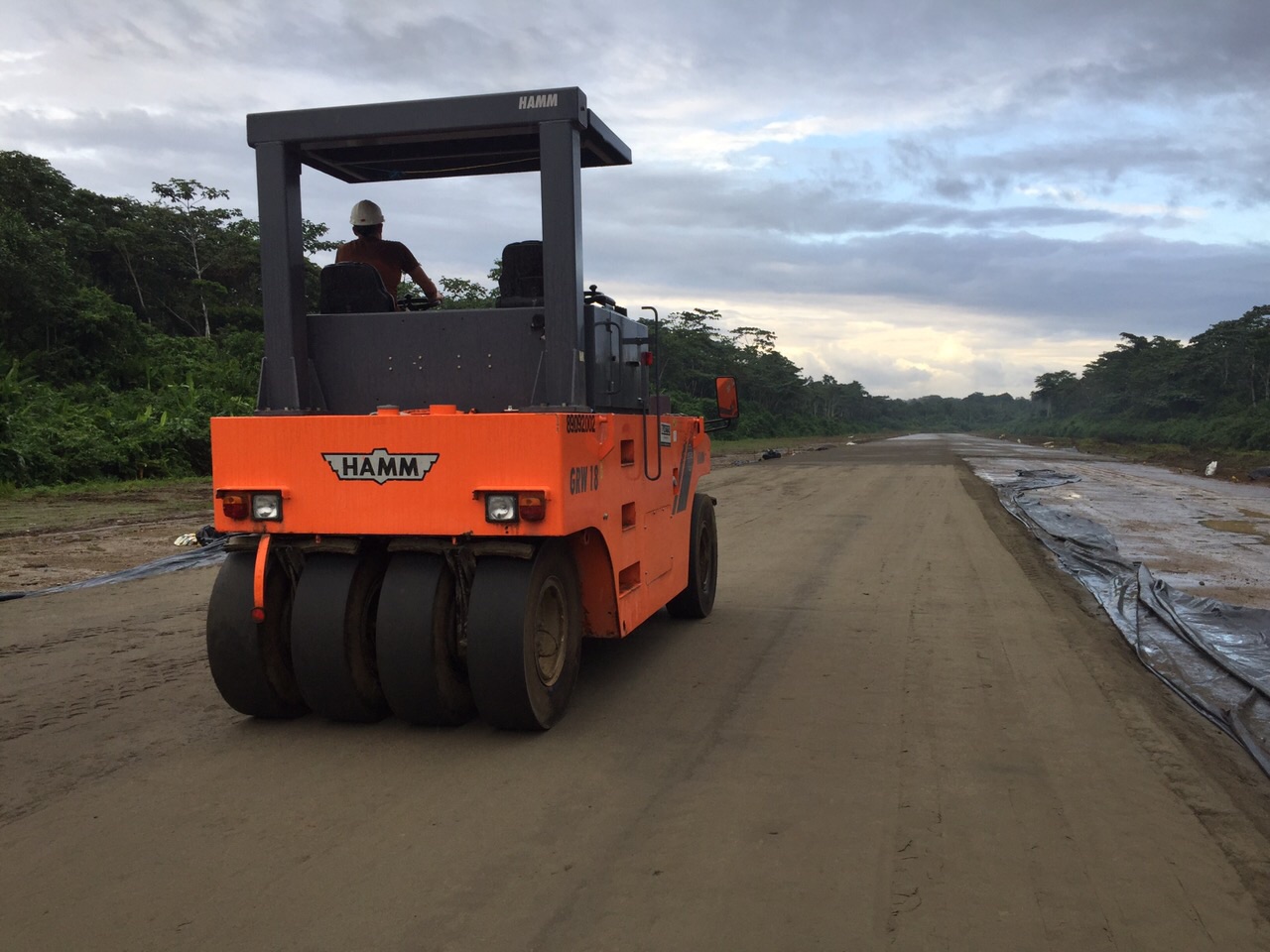
For a runway project deep in the Amazon, these constraints were not minor details. They defined the entire project environment.
PowerCem entered this setting with a major challenge: execute a 400,000 m² runway during peak rainy season in a remote logistics environment. The traditional approach would have required a heavy dependence on aggregate transport and multiple shipments. Instead, PowerCem used in-situ soil stabilization with PowerCem and cement, dramatically reducing the need for imported materials.
The result was not just a successful runway. It was a proof point.
The Breakthrough:
The Runway Proved More Than Performance

The runway project delivered measurable results: strength performance reached 121%–131%, rework stayed below 1%, execution came in under budget, and logistics were reduced from approximately 12 barges to roughly one shipment.
Those numbers mattered.
But the deeper breakthrough was not only technical.
The client did not simply see that PowerCem could stabilize soil. They saw that PowerCem could change the construction model itself.
That distinction changed everything.
Before the runway, PowerCem could be interpreted as a product: a technical additive used in specific soil conditions.
After the runway, PowerCem became something larger: a repeatable infrastructure execution system capable of reducing logistics, improving stability, controlling cost, and performing under extreme field conditions.
The question shifted from:
“Can this stabilize soil?”
to: “Can this replace how we build across the entire operation?”
The Hidden Constraint:
The Company Was Stronger Than Its Market Position
PowerCem already had what many infrastructure companies struggle to build.
It had proven engineering performance. It had reliable field execution. It had internal standardization, including quality assurance, mix ratios, and controls. It had low variability in results.
The limitation was not the technology.
It was not the product.
It was not field execution.
The limitation was the way the market understood the company.
PowerCem was being positioned too narrowly. It was often seen as a soil stabilization additive, while in practice it functioned as a system-level construction solution. The company’s value was larger than its category. Its execution was already scalable, but its market identity had not fully caught up.
This is the classic pattern of an invisible category leader: a company that has already created something valuable in reality, but has not yet translated that reality into a clear, scalable market position.
The Shift:
From Pilot Execution to System Adoption
The Amazon runway created trust in three layers.
First, it created engineering trust. The solution exceeded technical specifications.
Second, it created execution trust. The work held up under extreme weather and remote logistics conditions.
Third, it created economic trust. The project reduced material transport, lowered correction cycles, and delivered under budget.
Once those three forms of trust were established, the client’s behavior changed.
PowerCem was no longer being evaluated only as a project-specific solution. It was now being adopted as a method.
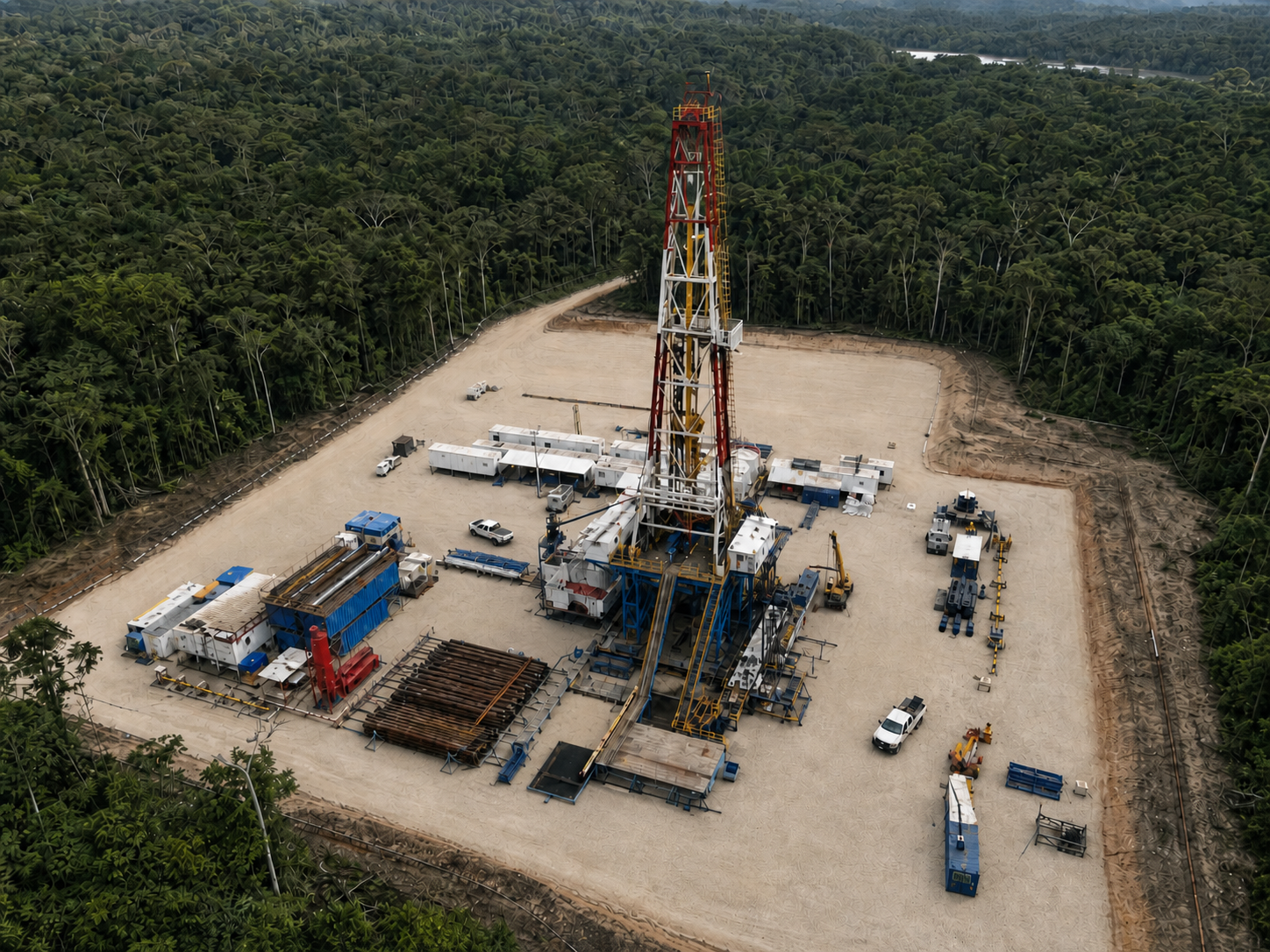
That trust conversion led to deployment across 43 drilling platform surfaces within the same operational block.
This is where the story becomes important.
PowerCem did not scale by convincing the client to buy “more product.” It scaled because the client changed how it built.
The Real Result:
A New Default Method
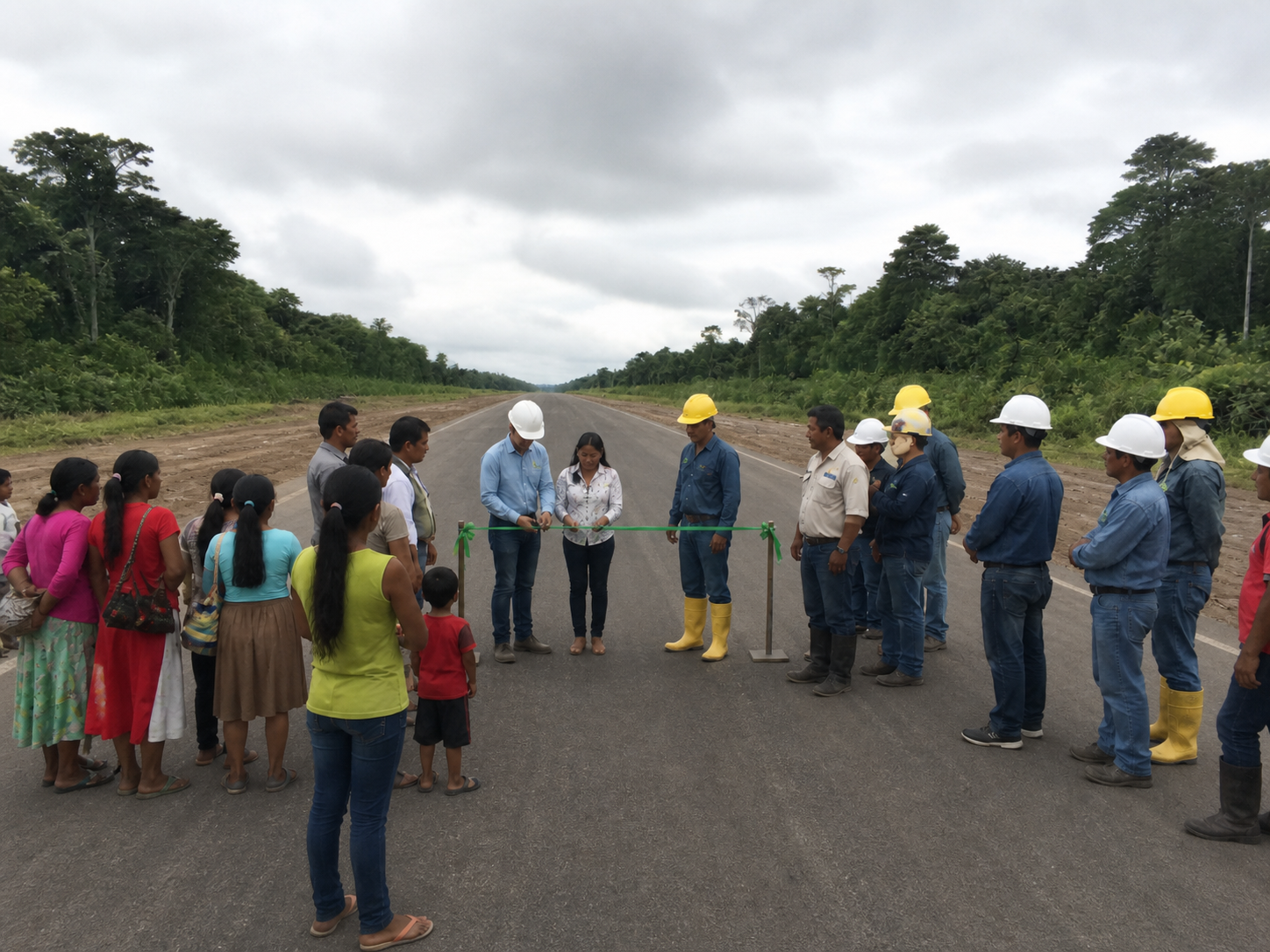
The deployment across 43 drilling platform surfaces showed that the runway was not an isolated success. The same execution logic could be repeated. The same controls could be applied. The same performance pattern could be reproduced across multiple sites.
That is the difference between a product and a system.
A product works once.
A system can be trusted repeatedly.
In PowerCem’s case, what was installed was not merely a material solution. It was a logistics collapse system, an execution stabilization method, and an infrastructure deployment model.
The company proved repeatability, reliability, and scalability in one of the most demanding construction environments available.
The Strategic Lesson
PowerCem’s breakthrough was not that its technology suddenly improved.
The technology was already strong.
The breakthrough was interpretational.
The runway helped the client understand the true nature of the solution. It revealed that PowerCem was not simply improving one part of the construction process. It was replacing an entire dependency chain.
When a system simultaneously improves logistics, execution stability, engineering performance, and cost structure, it stops behaving like a product.
It becomes a new default method.
Final Reflection
PowerCem demonstrates what happens when a company’s real value is finally seen at the right scale.
A single high-risk runway pilot created enough engineering, execution, and economic trust to shift client behavior from testing a product to adopting a system. That shift led to deployment across 43 drilling platform surfaces within the same block.
The company did not need better technology.
It needed its reality to be understood.
And once that happened, PowerCem stopped being seen as an additive.
It became an infrastructure execution model.