
ALBA was never just a tea business.
From the beginning, it carried something deeper.
It was ritual.
It was presence.
It was sensory immersion.
It was the kind of experience that could not be easily copied, rushed, or reduced to a simple menu item.
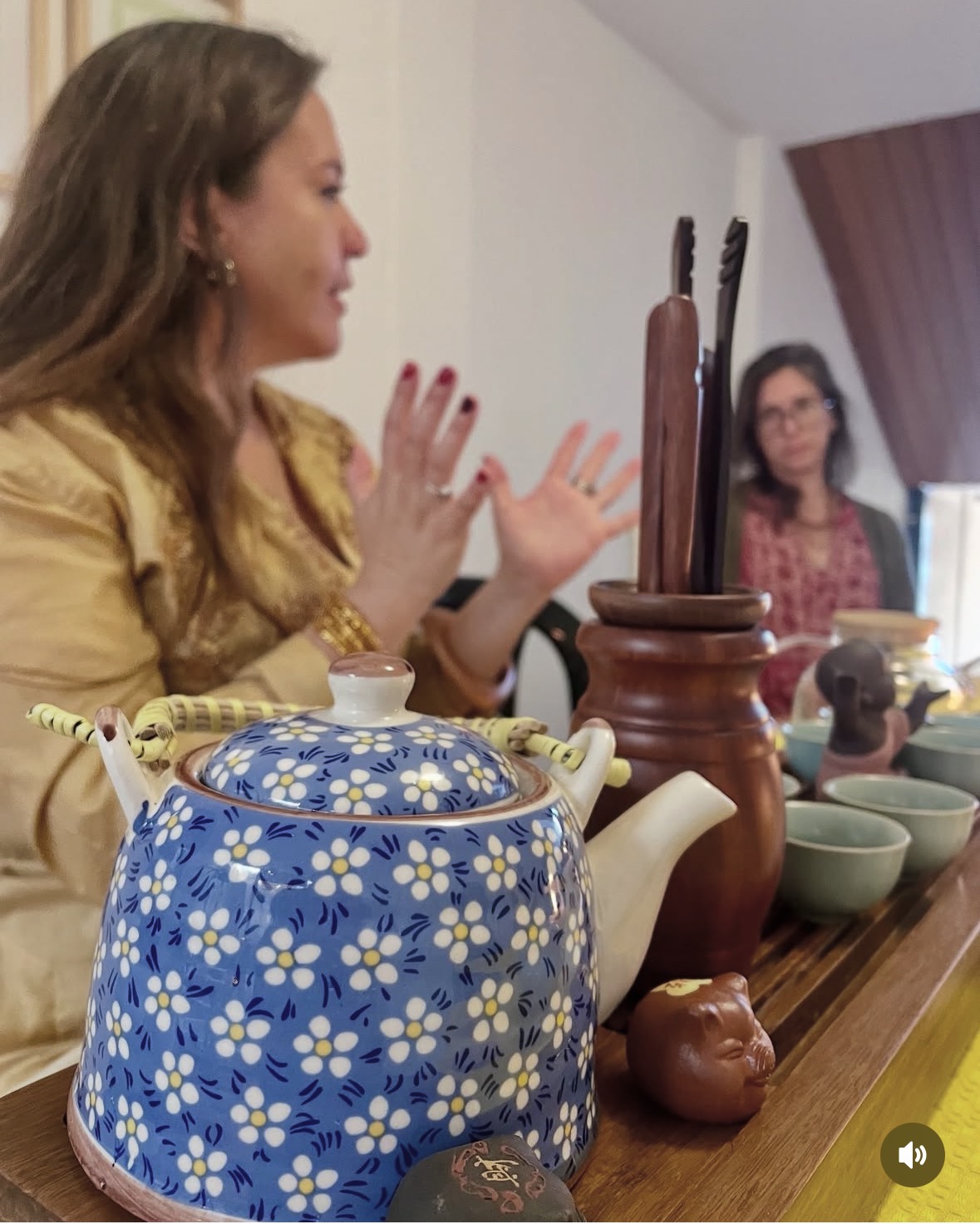
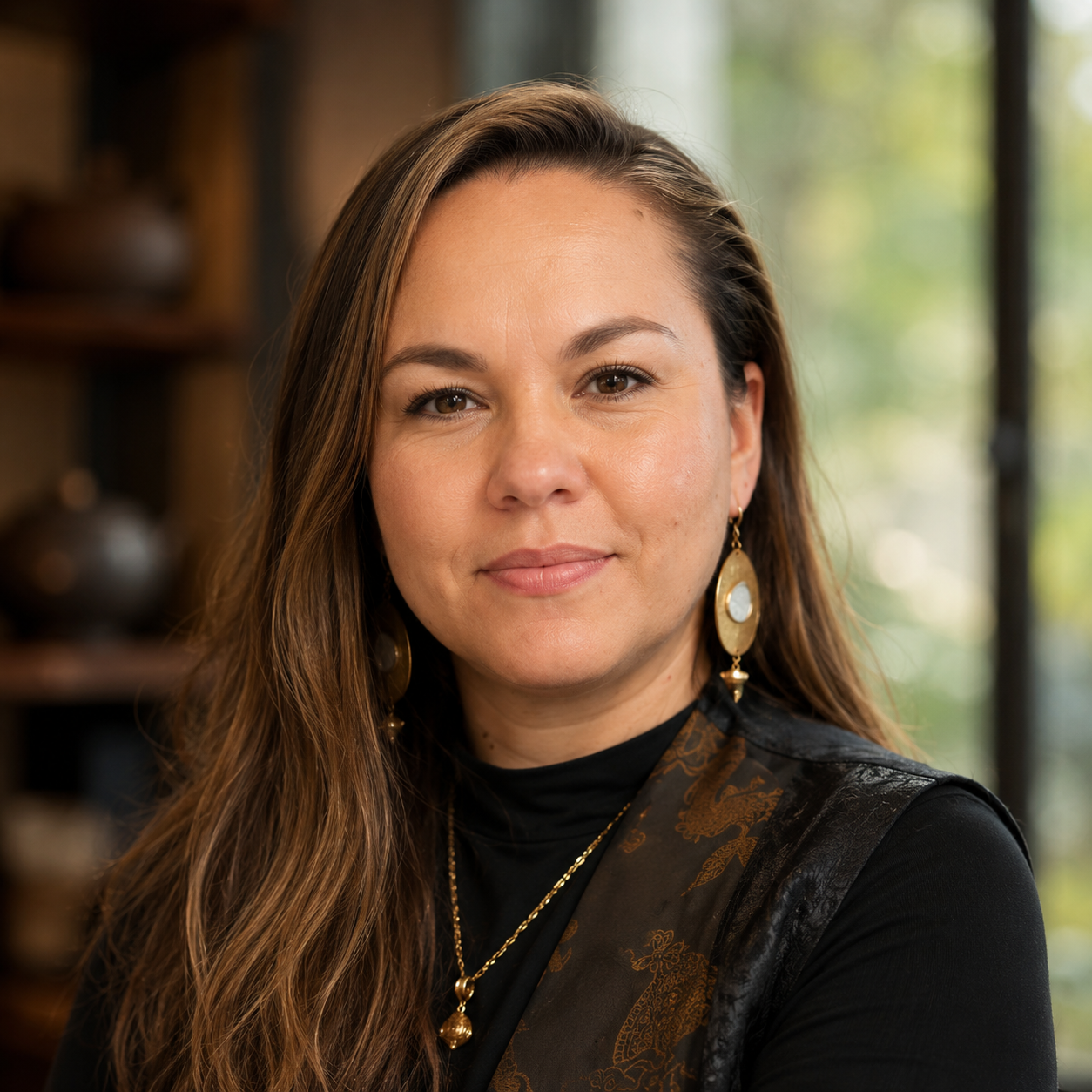
At the center of it was Martha.
Her gift was not only in the tea blends themselves. It was in the way she held space. The way she curated the environment. The way she made each session feel intentional, intimate, and emotionally precise.
People were not coming to ALBA only for tea.
They were coming for a moment of restoration.
And that was exactly what made the business so powerful.
It was also what made it fragile.
The beauty was real. So was the pressure.
At baseline, ALBA had a strong concept and a deeply meaningful founder presence. The brand had soul. It had emotional depth. It had ritual quality.
But underneath that beauty, the business had a structural problem.
Revenue depended heavily on Martha’s physical presence. Every meaningful experience required her direct emotional energy. Every session demanded not only preparation, but presence, sensitivity, and recovery.
The business model was quietly asking one person to be the product, the delivery system, the emotional container, and the revenue engine.
That created a dangerous equation:
More growth meant more sessions.
More sessions meant more emotional output.
More emotional output meant more founder strain.
On the surface, the business looked promising.
But structurally, ALBA was exposed.
It did not need louder marketing.
It did not need a more aggressive sales push.
It did not need to chase expansion before understanding its limits.
ALBA needed a spine.
The real question became clear:
Can a founder-centered business scale without breaking the founder?
The first move was not expansion. It was containment.
Most businesses rush toward growth when they feel potential.
ALBA had potential. But potential without structure can become pressure.
So before building new offers, increasing volume, or expanding the brand outward, the first step was to stabilize the system inward.
That meant looking honestly at what the business was asking of Martha.
How many sessions could she deliver without losing quality?
How much emotional intensity could the business sustain?
Where did the ritual begin to weaken?
Where did service excellence start becoming personal depletion?
What kind of growth would honor the founder instead of extracting from her?
This was the turning point.
The work shifted from asking, “How can Martha do more?” to asking:
How can ALBA grow without requiring more of Martha’s nervous system?
That question changed everything.

Stabilization created room for truth.
ALBA entered a stabilization phase designed to protect both the founder and the integrity of the experience.
The goal was not immediate revenue growth.
The goal was to create enough calm and structure for better decisions to emerge.
Session ceilings were defined.
Founder load was capped.
Weekly review rituals were introduced.
Expansion triggers were clarified.
The business began watching for signs of stress, volatility, and quality erosion.
This brought immediate clarity.
The emotional oscillation decreased. Decisions became less reactive. The business started to operate with more signal and less noise.
For the first time, growth was no longer treated as a vague ambition.
It became a strategic choice.
And once the system was stable enough to think clearly, ALBA faced its most important decision.
Not every business should scale the same way.
There were several possible paths.
ALBA could try to become a multi-location tea therapy brand.
It could try to train others to replicate Martha’s sessions.
It could push for more appointments, more workshops, more events, and more direct service volume.
But when the emotional and operational signals were honestly reconciled, the truth became obvious.
Martha was not energized by volume.
She was energized by depth.
She wanted fewer, higher-integrity sessions.
She wanted to protect the sacredness of the ritual.
She wanted the brand to grow, but not by diluting the very thing that made it meaningful.
That distinction mattered.
Because many founder-led businesses confuse expansion with alignment.
They assume that if something is working, the next step is simply to do more of it.
But for ALBA, doing more of the same would have weakened the business.
The right growth path was not more service volume.
It was founder-centered boutique mastery with product-led expansion.
The new model protected the founder and extended the brand.

ALBA’s offer architecture was redesigned around two layers.
The first layer was the founder-centered core.
This included limited premium tea therapy sessions, strict client curation, a controlled calendar, and a protected ritual container. Martha’s direct presence remained central, but it was no longer treated as infinitely available.
Her work became more intentional, more protected, and more valuable.
The second layer was the scalable product layer.
This included signature tea blends, ritual kits, specialty tea tools, educational products, and seasonal limited-edition releases.
This allowed ALBA to grow beyond Martha’s physical availability without compromising the emotional essence of the brand.
The founder remained the face.
The products carried the reach.
That was the structural breakthrough.
Revenue could now expand without demanding that Martha personally deliver every moment of value.
That is not just scaling.
That is decoupling.
Growth became calmer because the system became clearer.
Once the new structure was in place, ALBA began testing product-led growth carefully.
Small-batch product runs were introduced. Margins were protected. Ritual quality remained the standard. No new initiative was allowed to move forward if it increased founder stress beyond the agreed threshold or diluted the experience.
This created a different kind of momentum.
Not frantic momentum.
Not forced growth.
Not expansion driven by anxiety.
Instead, ALBA began growing through coherence.
The service calendar stabilized. Product revenue started creating a second engine. Emotional volatility decreased. Client perception strengthened because the brand felt more intentional, not more scattered.
Martha no longer had to carry the entire business through her presence alone.
The business finally had a structure that could hold her gift.
The deeper transformation was psychological.
The operational shift was important.
But the deeper change happened inside the founder’s relationship with growth.
Martha stopped equating success with doing more sessions.
She stopped treating her presence as the only source of value.
She began to see that the essence of ALBA could travel through carefully designed products, rituals, and educational extensions.
The magic did not disappear when Martha stepped back from constant delivery.
It became more protected.
That was the real breakthrough.
ALBA did not become less personal by becoming more structured.
It became more sustainable.
Before, ALBA was beautiful but exposed.
Before the transformation, the concept was strong, but the model was fragile.
The founder was overloaded.
Revenue depended on physical presence.
Governance was informal.
Scaling meant exhaustion.
The business had emotional depth, but limited structural protection.
After the transformation, ALBA became a founder-centered boutique model with product-led growth.
The service experience remained intimate.
The founder’s energy became protected.
Product revenue created leverage.
Governance gave the business rhythm.
Growth no longer required constant personal depletion.
ALBA did not simply become bigger.
It became stronger.
The lesson from ALBA
Most founder-led service businesses face a hidden choice.
They can scale volume and burn out the founder.
Or they can productize too early and dilute the essence of the brand.
ALBA chose a third path.
It stabilized first.
It clarified identity before architecture.
It protected the founder before pursuing growth.
It allowed products to scale what the founder should not have to carry alone.
That is what made the model work.
ALBA proves that founder-centered businesses do not have to choose between intimacy and growth.
They can scale.
They just do not have to scale the founder’s stress with it.
ALBA grew by stabilizing inward first, then letting its products travel where the founder’s nervous system no longer had to.